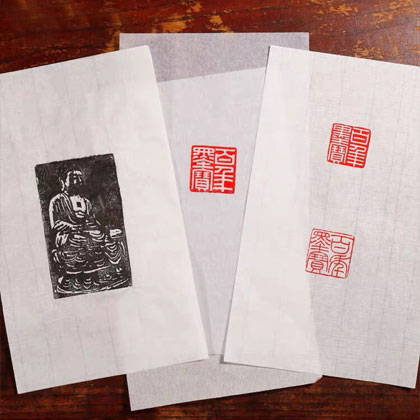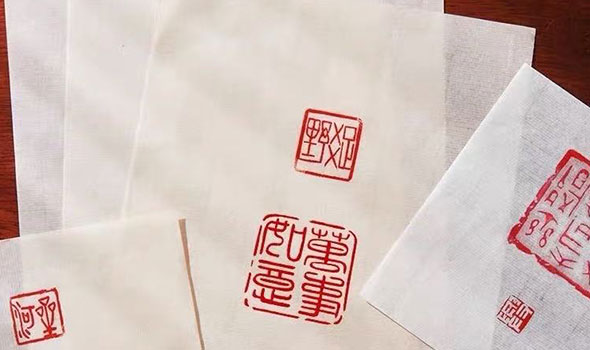
Lianshi paper is a traditional Chinese handmade paper made primarily from bamboo fibers. Unlike modern industrial paper produced through automated manufacturing, Lianshi paper is crafted using centuries-old techniques that emphasize patience, skill, and natural materials.
This papermaking method has been passed down through generations and remains a representative example of China’s bamboo papermaking heritage. The process highlights sustainability, craftsmanship, and cultural history, which is why it is often associated with heritage paper traditions. You can learn more about this traditional craft here: Lianshi Paper: The Timeless Craft of China’s Bamboo Papermaking Tradition.
The biggest difference between Lianshi paper and modern paper lies in how they are produced.
Modern paper is typically manufactured in large factories using high-speed machines and chemical treatments. This allows for mass production and consistent output but often removes the unique texture and character found in handmade materials.
Lianshi paper, by contrast, is produced through a multi-step manual process that includes bamboo soaking, pulping, filtering, sheet forming, and natural drying. Each sheet is shaped by hand, meaning subtle variations in fiber distribution and texture make every piece slightly unique.
Modern paper often involves wood pulp from large-scale forestry along with chemical bleaching agents. While efficient, this process can involve significant resource consumption.
Lianshi paper traditionally uses bamboo, a fast-growing and renewable resource. The handmade process also relies less on heavy industrial machinery. Because of this, Lianshi paper is often considered a more sustainable and environmentally friendly paper option.
The use of natural bamboo fibers also gives the paper strength, flexibility, and a distinctive organic appearance.
Another key difference is the tactile and visual experience.
Industrial paper is designed to be uniform and smooth for printing efficiency. Lianshi paper, however, features natural fibers and subtle textures that are valued in artistic and creative fields.
Artists, calligraphers, and designers often appreciate handmade bamboo paper because it absorbs ink well, offers a natural organic surface, and gives each sheet its own character. These qualities make it suitable for fine art, calligraphy, handmade books, and premium stationery.
Modern paper focuses primarily on practicality and efficiency. Lianshi paper, however, represents cultural heritage.
The craft embodies traditional knowledge that reflects centuries of Chinese papermaking history. The continued production of Lianshi paper helps preserve this heritage while allowing modern creators and brands to connect with authentic craftsmanship.
While modern paper prioritizes efficiency and consistency, Lianshi paper stands out for its handmade process, bamboo-based materials, artistic texture, and cultural significance.
For artists, designers, and brands looking for materials with history and character, Lianshi paper offers a distinctive alternative to industrial paper—combining sustainability, craftsmanship, and heritage in every sheet.