As global plastic reduction policies and carbon neutrality goals continue to advance, biodegradable plastics are gaining momentum as alternatives to traditional materials. Among them, PLA and PBAT stand out for their complementary properties.
However, due to differences in molecular structure, these materials have long faced compatibility challenges, limiting their performance in real-world applications. Recent advances in compatibilizer technology are now overcoming this barrier.
Compatibilizers act as a molecular bridge between PLA and PBAT, improving interfacial bonding and reducing phase separation.
By enhancing dispersion and enabling chemical interactions, this technology significantly improves material strength, flexibility, and processing stability, making biodegradable plastics more viable for packaging applications.
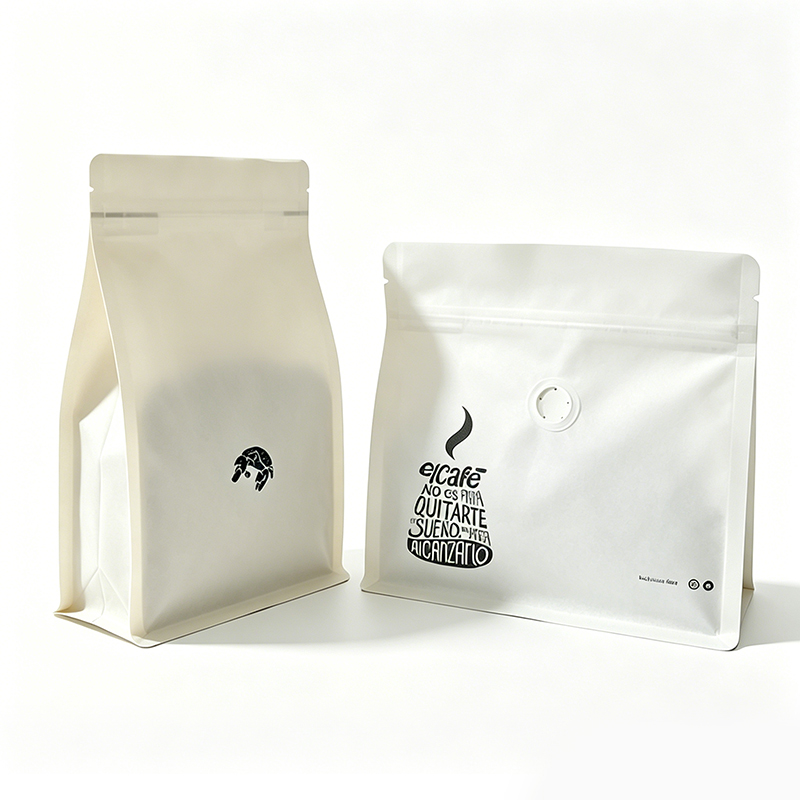
With improved performance, PLA PBAT materials are now widely used in both food packaging and general product packaging.
In food applications, they are commonly used for flexible packaging films, disposable tableware, and fresh produce bags due to their safety and compostability.
Beyond food packaging, these materials are increasingly applied in:
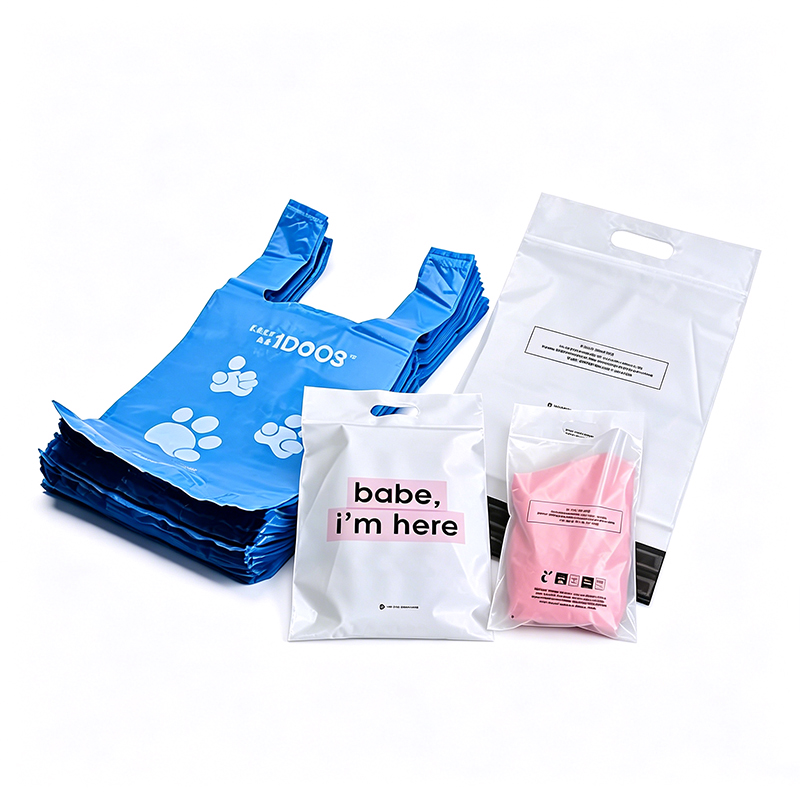
E commerce mailing bags and courier packaging
Retail shopping bags and garment packaging
Gift packaging inner wrapping and brand presentation
Cards labels and stickers
For Dulink Pack, these materials are being integrated into products such as Biodegradable plastic bags, Eco Friendly Paper Bags, packaging boxes, wrapping paper and custom branding materials helping brands achieve sustainable packaging without compromising design and functionality.
PLA PBAT materials can meet a wide range of international environmental regulations and standards including EN 13432 ASTM D6400 and OK Compost certification.
They also align with evolving packaging regulations in Europe the United States Southeast Asia Latin America and the Middle East ensuring compliance for global export markets.
These certifications ensure that packaging materials can be composted or biodegraded under controlled conditions supporting circular economy goals.
The market for biodegradable packaging materials continues to grow rapidly driven by policy support and increasing environmental awareness.
Future trends include the development of smart compatibilizers increased use of bio based materials and AI driven molecular design.
Despite rapid progress challenges remain in cost control processing stability and standardization.
However PLA PBAT compatibilizer technology represents a major step forward in enabling high performance biodegradable packaging materials.
The evolution of PLA PBAT technology is accelerating the transition toward low carbon and sustainable packaging solutions.
As innovation continues biodegradable materials are expected to match or even surpass traditional plastics offering both environmental and commercial value for global packaging industries.